


Background
At 68, Pam enjoys an active lifestyle, with water skiing alongside her family being one of her favorite ways to spend time. In the summer of 2022, a day at the lake took an unexpected turn when a water skiing accident left her with a crushed pelvis and several other serious injuries.
Pam was airlifted to Vanderbilt University Medical Center, where she underwent extensive surgery involving two plates and 19 screws. After 12 days in the hospital's trauma unit, she returned home facing a long and uncertain recovery. She was unable to bear weight on her left side for three months, and her doctors anticipated she would likely need a hip replacement within a year.
The Challenge
After a serious pelvic injury and extensive surgery, Pam faced the challenge of rebuilding her strength and mobility while navigating an uncertain prognosis.
Her recovery required gradually reintroducing movement and learning to trust her body again. With a long road ahead, finding a way to practice walking safely and work toward greater independence was an important step forward.
The Solution
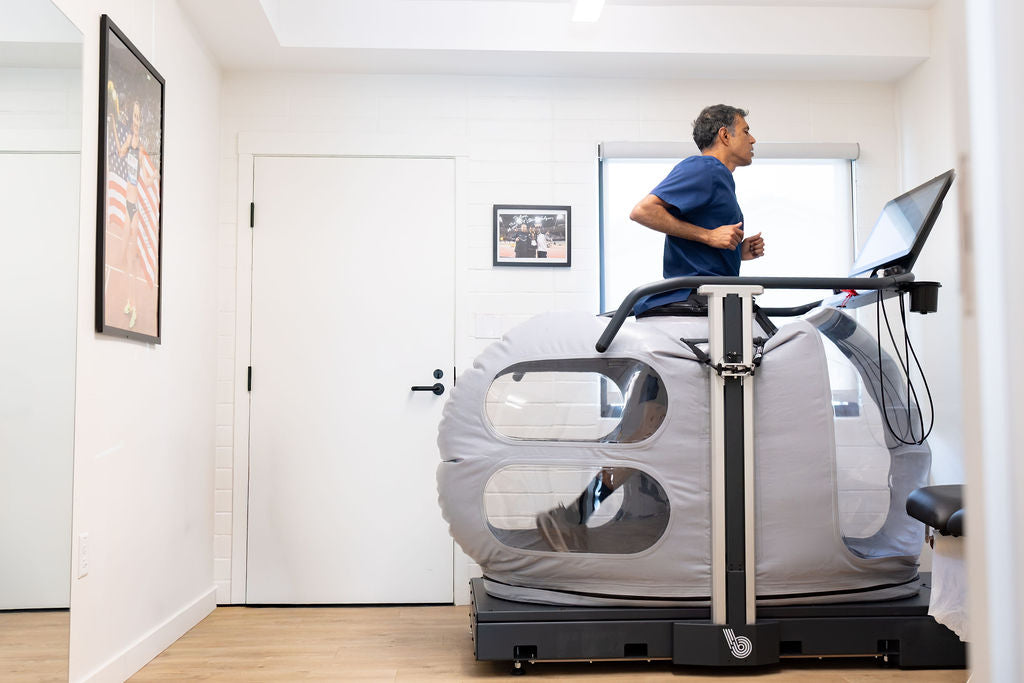
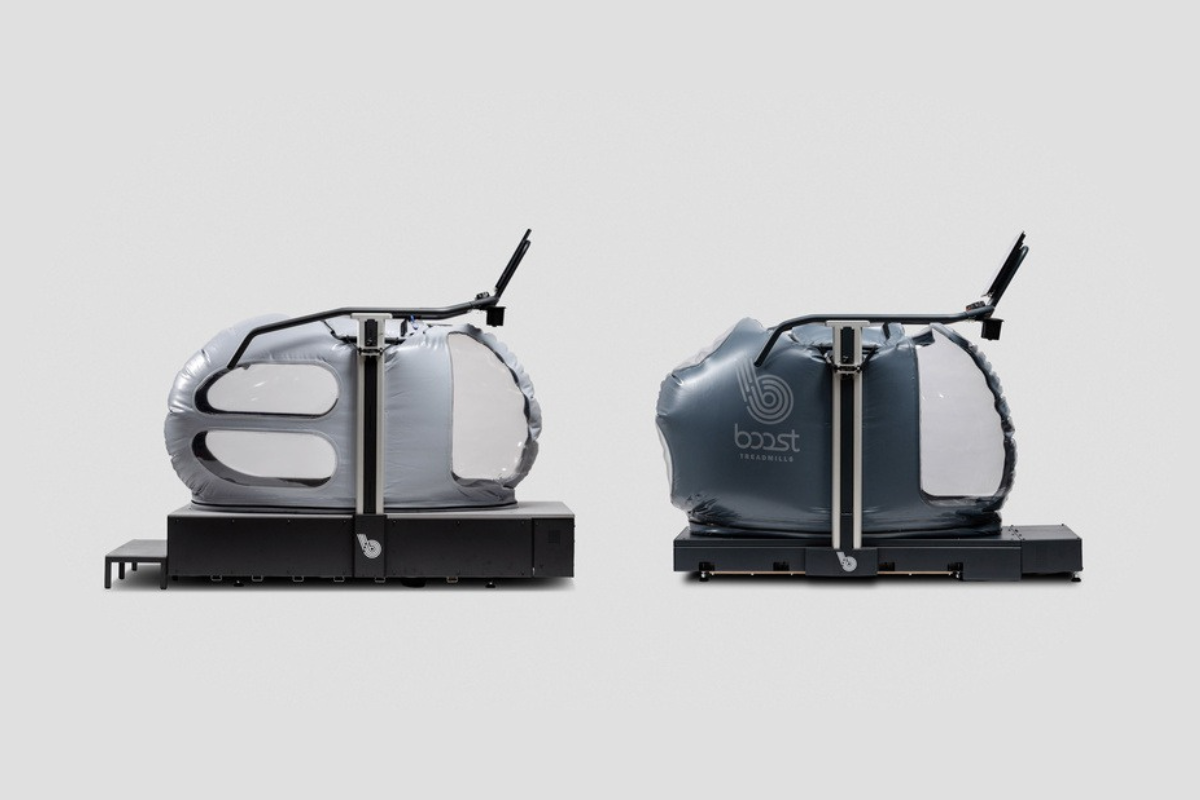
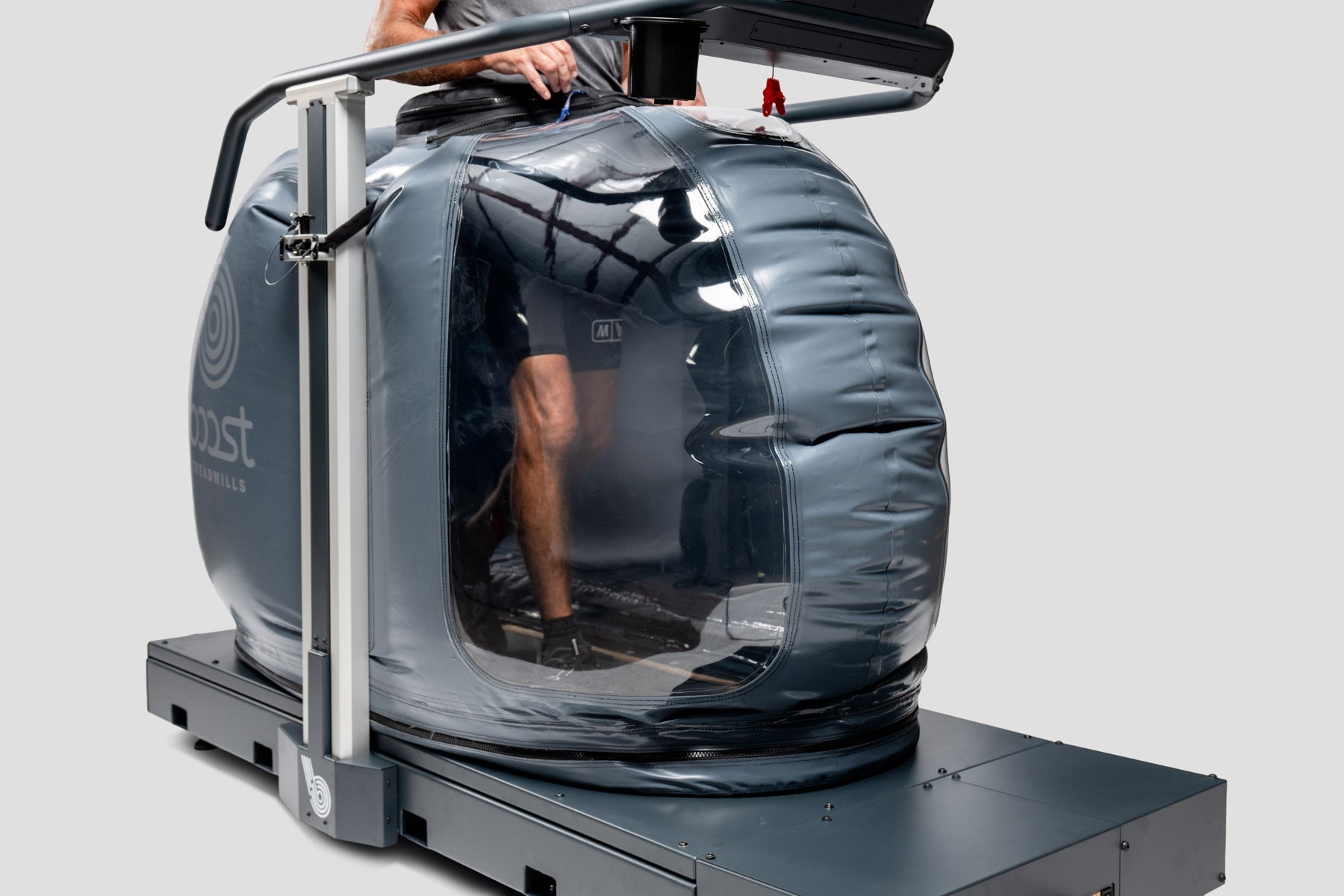
With a Boost Treadmill available at home, Pam could incorporate supported walking into her rehabilitation as she regained mobility.
Once she could walk fairly well with a walker, she began using Boost to practice walking without assistance. By reducing the amount of body weight she needed to support, Boost allowed her to focus on movement while gradually rebuilding her strength and confidence.
The Turning Point
For Pam, getting on Boost and experiencing what it felt like to walk without assistance was a significant milestone.
“It just felt so good to walk without any assistance.”
That first experience gave her a renewed sense of possibility. As she continued using Boost regularly, her progress accelerated, helping her see what she might be capable of achieving.
“I've always felt like the Boost is named appropriately in both ways, mentally and physically. It gives you a boost. It really does make you feel like, okay, I can do this. And it gives you hope.”
Progress
Pam's progress soon extended beyond walking. Within about six weeks of regular use, she was running on the Boost Treadmill. By the end of the year, she was running outdoors.
Her doctor was amazed by how far she'd come. What had initially seemed like an uncertain path toward a hip replacement had changed significantly, with her doctor eventually suggesting she might go three to five years before needing one.
Her milestones included:
-
Three months after surgery: Began using Boost during her rehabilitation
-
About six weeks of regular use: Progressed to running on the treadmill
-
By the end of the year: Running outdoors again
-
Less than a year after her accident: Returned to water skiing with her family
Looking Forward
For Pam, recovery meant more than regaining mobility. It meant returning to the people, activities, and experiences that mean the most to her.
Less than a year after her accident, she was back on the water, water skiing with her family. Today, at 68, she has returned to her regular activities and the active lifestyle she loves.
“Now that I can do that again, it means everything. It's just what we do every weekend in the summer.”
Watch her story here:
Still Moving Forward: Doug's Journey to Walk Again
Jacob Thompson: Maintaining Elite Performance While Reducing Impact