

Staying Healthy Is the Real Competitive Edge
For athletes, consistency drives progress.
Missed training time doesn’t just pause fitness—it disrupts development, builds setbacks, and extends return-to-play timelines. Across high school, collegiate, and professional levels, the athletes who improve most are often the ones who stay healthiest and continue training consistently.
Boost Treadmills are designed to support that consistency.
Why Athletes Break Down
Running is inherently repetitive and high-impact. With every stride, the body absorbs force that increases as mileage, intensity, and competition demands rise.
Over time, this can lead to:
-
Stress fractures
-
Tendon injuries
-
Shin splints and overuse fatigue
Even well-structured training plans can run into setbacks when load isn’t managed precisely.
How Boost Helps Athletes Stay Healthy
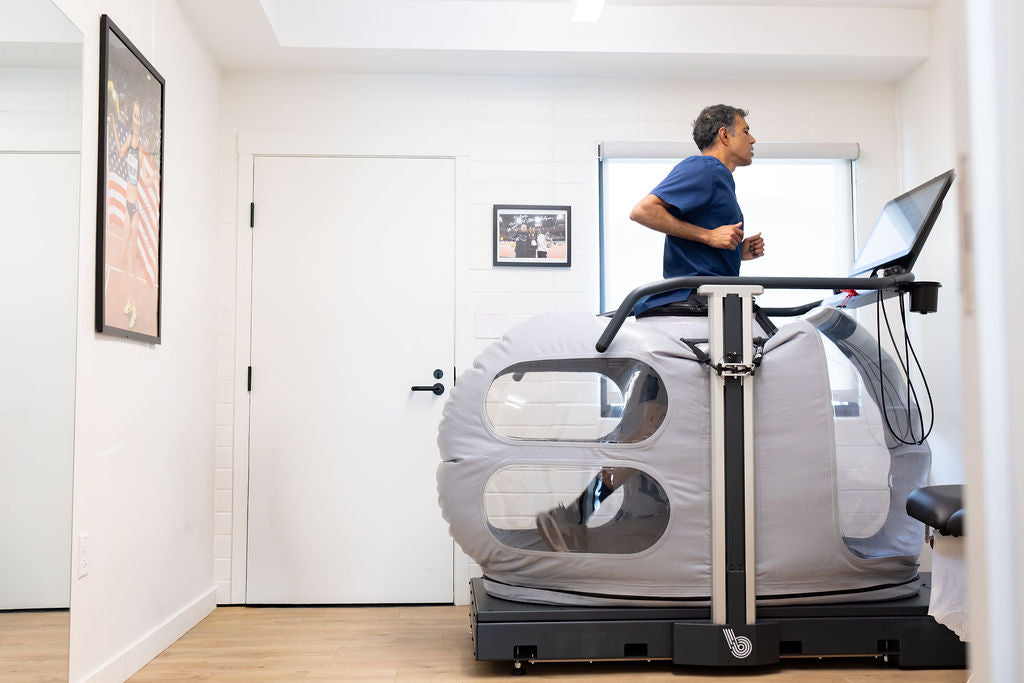
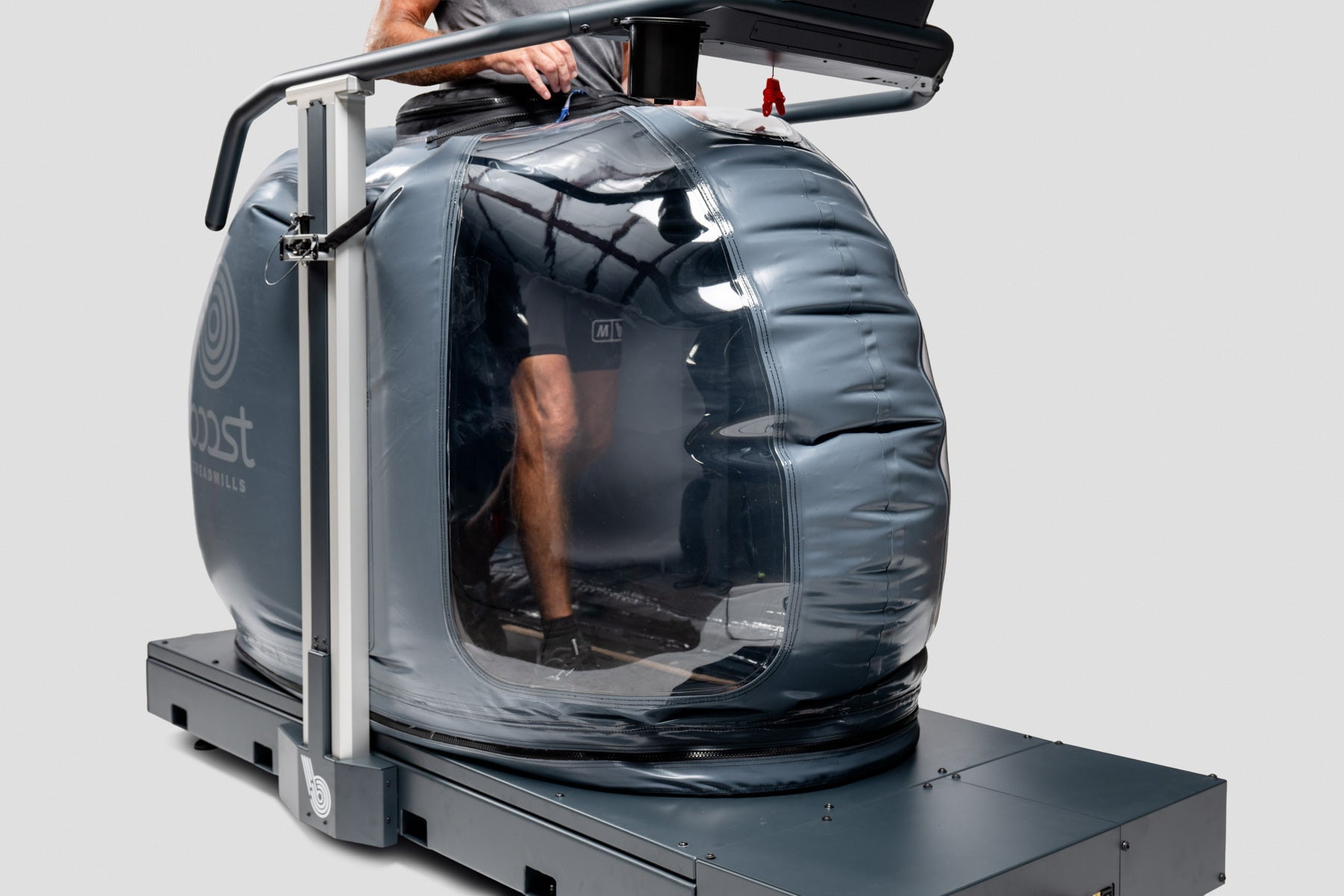
Boost uses differential air pressure to reduce body weight during running, lowering impact while preserving natural movement.
This allows athletes to continue training with:
-
Reduced stress on joints and bones
-
Maintained running mechanics and cadence
-
Less disruption during injury or recovery periods
Instead of stopping completely, athletes can stay in motion and continue building fitness at an appropriate load—from 20% bodyweight up to 100% bodyweight.
Train Smarter, Not Just Harder
Beyond recovery, Boost is also used as a training tool to better manage workload.
Athletes and coaches use it to:
-
Control weekly mileage
-
Add volume with reduced stress
-
Introduce speed work more safely
This helps reduce sharp spikes in training load—one of the most common causes of overuse injuries.
High School Spotlight: Dixon High School (Coach Simon Thorpe)
Dixon High School’s cross country and track program uses Boost to help athletes stay consistent through injury and high-volume training periods.
With 150+ runners in the program, Boost has become a key tool for reducing downtime from overuse injuries and keeping athletes training through minor setbacks instead of missing weeks of development.
Elite Spotlight: Jacob Thomson (Under Armour Dark Sky Distance)
Professional marathoner Jacob Thomson (2:09 PR, US Half Marathon champion) trains up to 130 miles per week during peak marathon preparation.
He integrates Boost twice weekly to reduce cumulative leg impact while maintaining mileage, helping him sustain high-volume training through demanding blocks.
The Bottom Line
Long-term success in sport isn’t just about training hard—it’s about maintaining the health to train consistently over time.
Boost Treadmills help athletes stay consistent, manage impact, and continue progressing across every stage of training and recovery.
Because in the end, the athletes who improve the most are the ones who stay in the game.

Supporting Mobility and Longevity: The Best Low-Impact Treadmills for Seniors
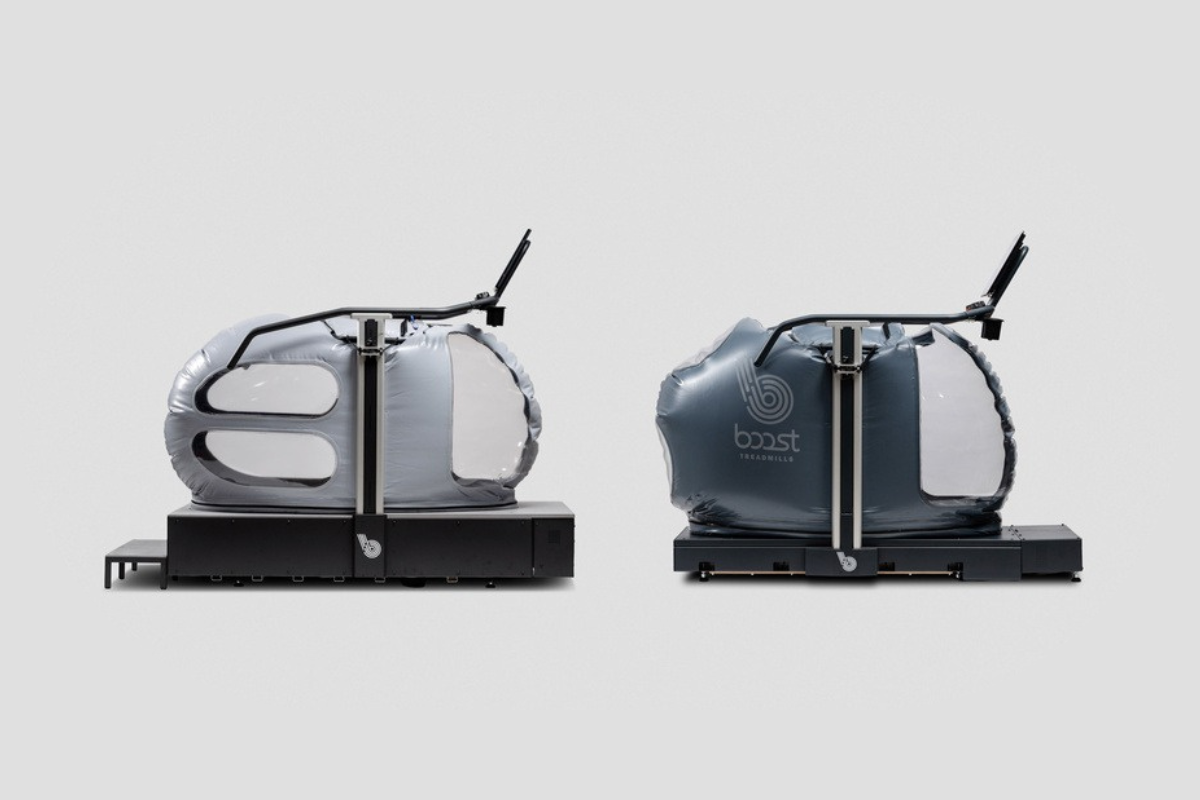
Boost 2 vs Boost 3: Which Treadmill Is Right for You?