

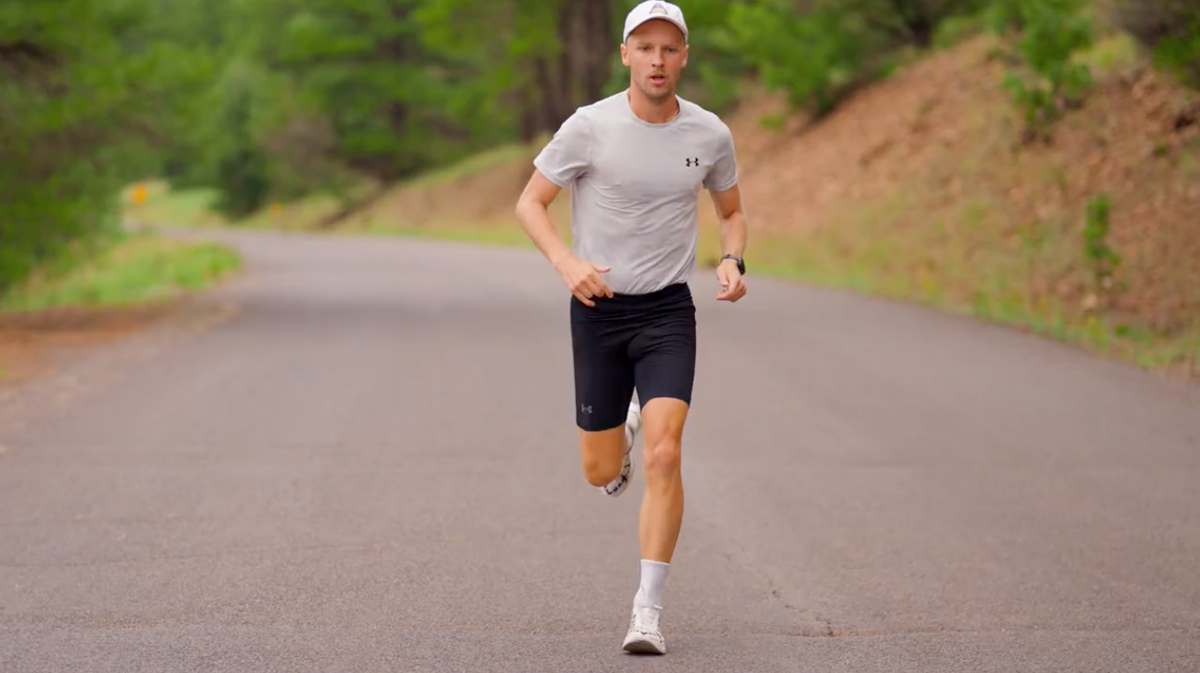
The Athlete
Jacob Thompson is a professional distance runner for Under Armour, a two-time Olympic Trials qualifier, and U.S. Half Marathon Champion. Based in Flagstaff, Arizona, Jacob trains alongside elite athletes from around the world at Under Armour Mission Run Dark Sky.
His training demands are substantial. During peak marathon preparation, Jacob runs 120–130 miles per week, with weekly mileage typically ranging from 95–100 miles when focusing on shorter distances. At that level of training, managing physical stress while maintaining consistent mileage is critical.
The Challenge
About a year ago, Jacob tore his hip labrum and was diagnosed with femoroacetabular impingement (FAI) in his left hip. The injury significantly limited the amount of running volume he could tolerate on the ground. For an athlete accustomed to running nearly every day, finding a way to maintain fitness while allowing his hip to recover was essential.
"I can still get the mileage in, but I can take a little bit of the impact off my legs."
The Boost Solution
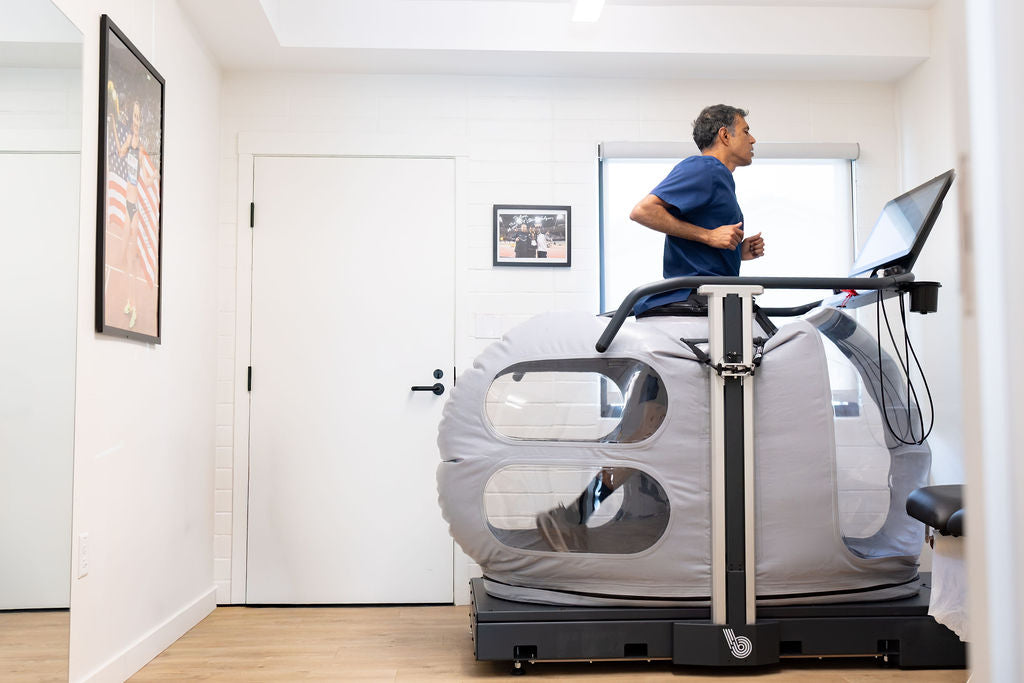
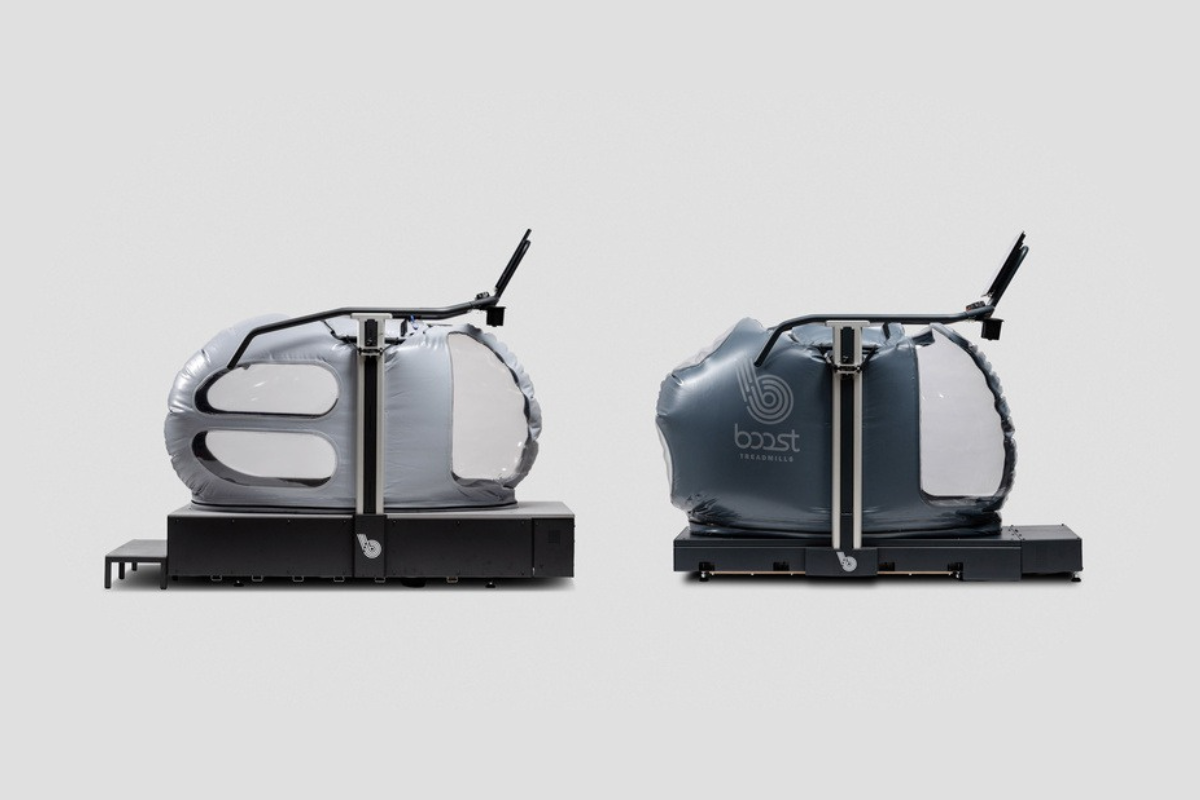
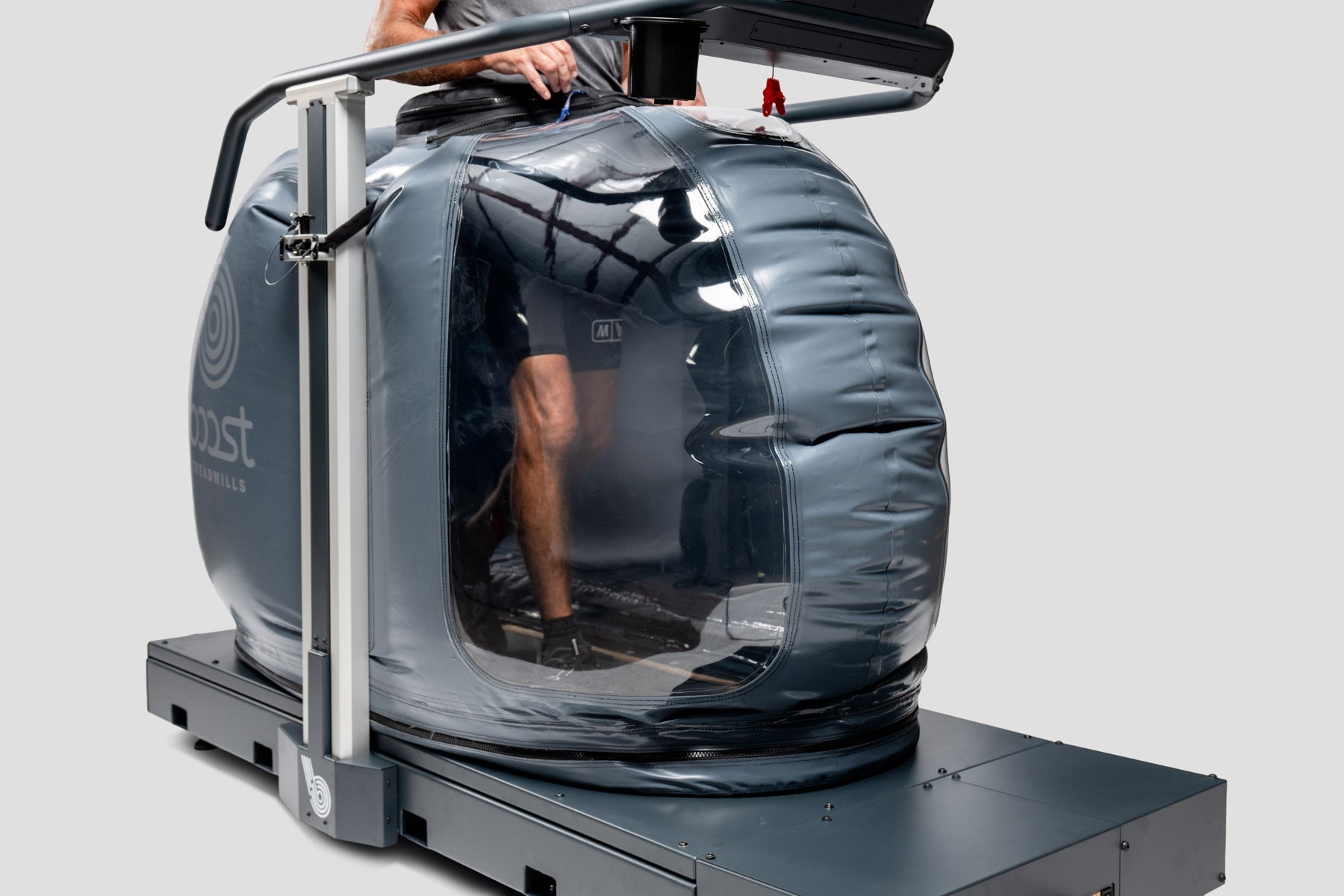
The Boost Treadmill became an important part of Jacob's rehabilitation and ongoing training routine. By reducing the percentage of body weight he carried while running, Jacob could continue building strength and maintaining aerobic fitness without placing the same demands on his injured hip. He began running at a lower percentage of body weight and gradually increased his loading as his hip strengthened and his recovery progressed. This allowed him to maintain quality training and mileage while creating a more gradual transition back to outdoor running.
"I was still able to run and get in the quality of training I wanted without sacrificing that volume."
Beyond Injury Recovery
Today, Jacob continues to incorporate the Boost Treadmill into his training, particularly during heavy marathon blocks. He typically uses it for a couple of runs each week, allowing him to accumulate additional mileage while reducing impact on his legs. Rather than serving exclusively as a rehabilitation tool, Boost has become another way for Jacob to develop his aerobic system, manage training demands, and get more out of his weekly mileage.
"I use it more as a tool to be able to get in more work and save the legs, but still really develop that aerobic system."
The Results
-
Maintained training volume: Continued running and developing aerobic fitness during hip rehabilitation.
-
Progressive return to running: Gradually increased body weight loading as his hip strengthened.
-
Reduced impact: Accumulated additional mileage without placing the same demands on his legs.
-
Continued elite training: Integrated Boost into his regular routine, including during high-volume marathon preparation.
A Training Tool for Every Stage
For Jacob, the Boost Treadmill has proven valuable both when coming back from injury and when training at his highest level.
Whether running at 50–60% body weight during rehabilitation or incorporating reduced-impact sessions into a 120-mile training week, Boost gives him another way to train intentionally without sacrificing the work required to compete at the highest level.
As Jacob puts it, the treadmill has been a great tool for the entire Under Armour Mission Run Dark Sky team, which includes athletes competing at the highest levels across distances from the 800 meters to the marathon.
Back to What She Loves: Pam's Recovery Journey