


Overview
When senior soccer player Peyton Neville suffered an ACL tear during a high school game, she knew the road back to the field would require hard work, patience, and the right rehabilitation tools.
Fortunately, Cabot High School's athletic training program had recently invested in a Boost Microgravity Treadmill, giving Peyton access to technology typically reserved for professional sports organizations and major college athletic programs.
Working alongside Jason Cates, Director of Athletic Training at Cabot High School, Peyton was able to begin rebuilding strength, confidence, and movement patterns while reducing the physical stress placed on her recovering knee.
The Challenge
ACL injuries are among the most significant setbacks a student athlete can face. Recovery often requires months of rehabilitation, with a gradual progression from walking to jogging and eventually returning to sport-specific activities.
For Peyton, the goal was clear: get back to the soccer field safely and as quickly as possible. Like many competitive athletes, she was determined to attack her recovery with the same intensity she brought to competition.
"Peyton was on board immediately. She's as aggressive in the classroom as she is on the field and she wanted to get back." - Jason Cates
The Solution
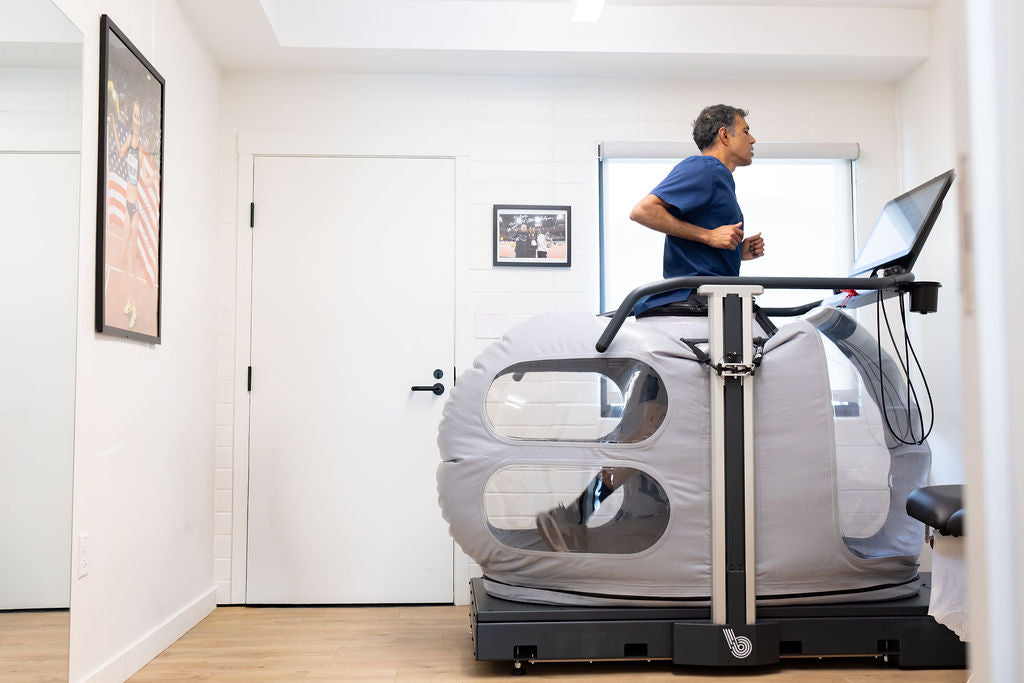
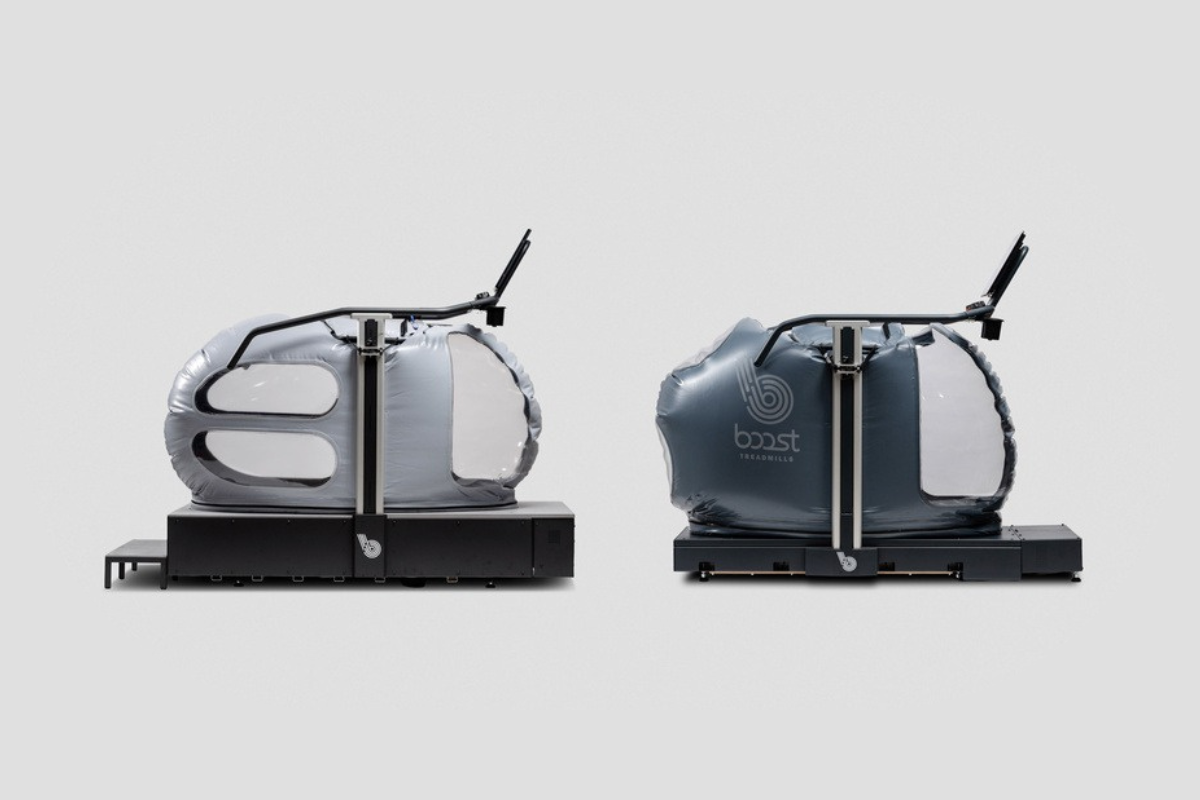
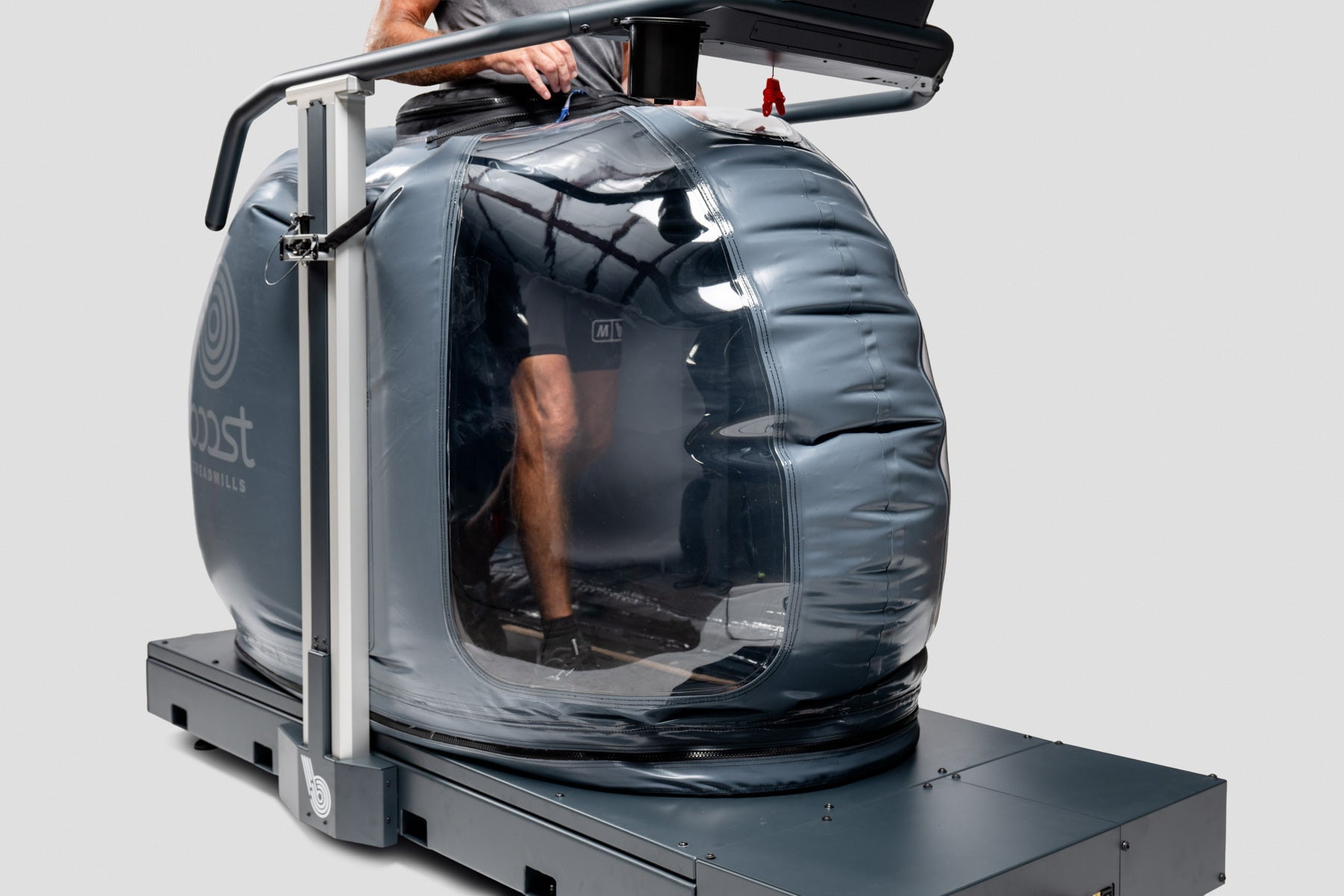
Using the Boost Microgravity Treadmill, Peyton was able to begin movement training with reduced body weight, allowing her to gradually relearn walking and jogging without placing full stress on her recovering knee.
The Boost's body-weight support system helped bridge the gap between being on crutches and returning to normal athletic movement.
"It's just kind of helped me be more comfortable on my feet when I got off crutches, learning how to re-walk, learning how to jog." - Peyton Neville
For athletic trainers, the technology provides greater control over rehabilitation progressions while helping athletes stay active throughout recovery.
"I think it's a game changer that we now have this technology with the Boost treadmill." - Jason Cates
Bringing Professional-Level Recovery to High School Athletics
Cabot High School became the first high school in Arkansas to bring a Boost Microgravity Treadmill into its athletic training program.
According to Cates, many athletes and families are surprised to find this level of rehabilitation technology available at the high school level.
"Usually, this is something that you see at the professional sports level. High Power Five colleges have them, but to be the first one in the state of Arkansas at a high school level to have one, they were blown away that we had this technology." - Jason Cates
The investment reflects Cabot High School's commitment to helping student athletes recover safely and return to the activities they love.
"I think it's awesome that our school cares as much about athletics and recovery and they want to help our athletes get back to playing as soon as they can." - Peyton Neville
The Results
By incorporating the Boost Treadmill into her rehabilitation program, Peyton expected a significantly faster recovery timeline than traditional ACL rehabilitation alone.
"My recovery is supposed to be four to six months with the Boost Treadmill, compared to 9 to 12 months without it." - Peyton Neville
While every athlete's recovery journey is unique, the ability to reduce body weight and begin movement earlier can help athletes maintain confidence, improve gait mechanics, and progress through rehabilitation more effectively.
Key Outcomes
- Returned to walking and jogging with greater confidence during recovery
- Reduced-impact rehabilitation following ACL surgery
- Access to professional-level recovery technology at the high school level
- Supported a projected recovery timeline of 4–6 months versus a traditional 9–12 months
- Improved athlete engagement and confidence throughout rehabilitation
A Partner in Student Athlete Recovery
For Jason Cates and the Cabot High School athletic training team, the value of the Boost Treadmill extends beyond the technology itself.
"Boost makes it extremely easy. People there care about the technology. They care about student athletes. They care about athletes in general. They make it affordable and easy for you to be able to bring this into your facilities." - Jason Cates
By bringing advanced rehabilitation technology directly to student athletes, Cabot High School is helping injured athletes stay engaged in recovery, regain confidence sooner, and take meaningful steps toward returning to the sports they love.

Boston Langston: Rebuilding After Traumatic Brain Injury
Finding Confidence Through Movement: Will's Story