

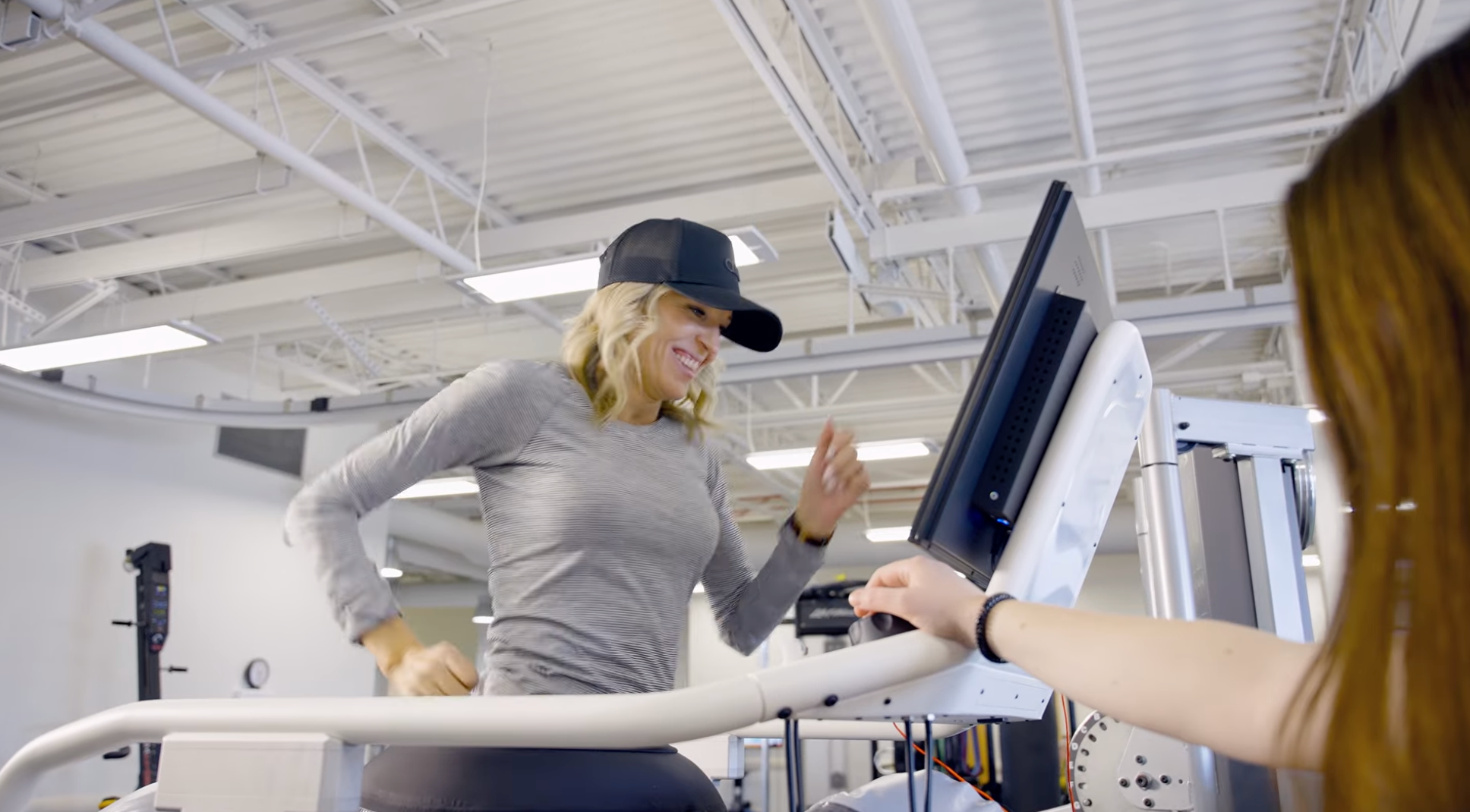
In June of 2023, Heidi Wing's life changed in an instant when a road biking accident left her with a C5 spinal cord injury. After spending 40 days in the hospital, Heidi arrived at Neuroworx ready to begin the difficult journey of rehabilitation.
Unable to move anything below her chest immediately after her injury, Heidi set a goal: to regain as much independence as possible and return to the life she loved with her husband and four children.
Through months of rehabilitation and training with the Boost Treadmill, Heidi progressed from using a wheelchair to walking, running, and keeping up with her kids. More than improving her physical abilities, the Boost helped Heidi rebuild confidence in what her body was capable of.
The Challenge: Rebuilding Movement After Spinal Cord Injury
After her biking accident, Heidi faced a long road of rehabilitation. When she arrived at Neuroworx, she was still using a wheelchair and wearing a cervical collar while continuing to recover from her injury. Despite the uncertainty ahead, Heidi approached rehabilitation with determination.
"My outlook on life after I was injured was: I can do this. God gave me a second chance at life, so let's fight for it."
With four children and a family depending on her, Heidi's goal was clear: regain as much function as possible and return to being active with the people she loved.
The Solution: Using Boost to Build Strength and Confidence
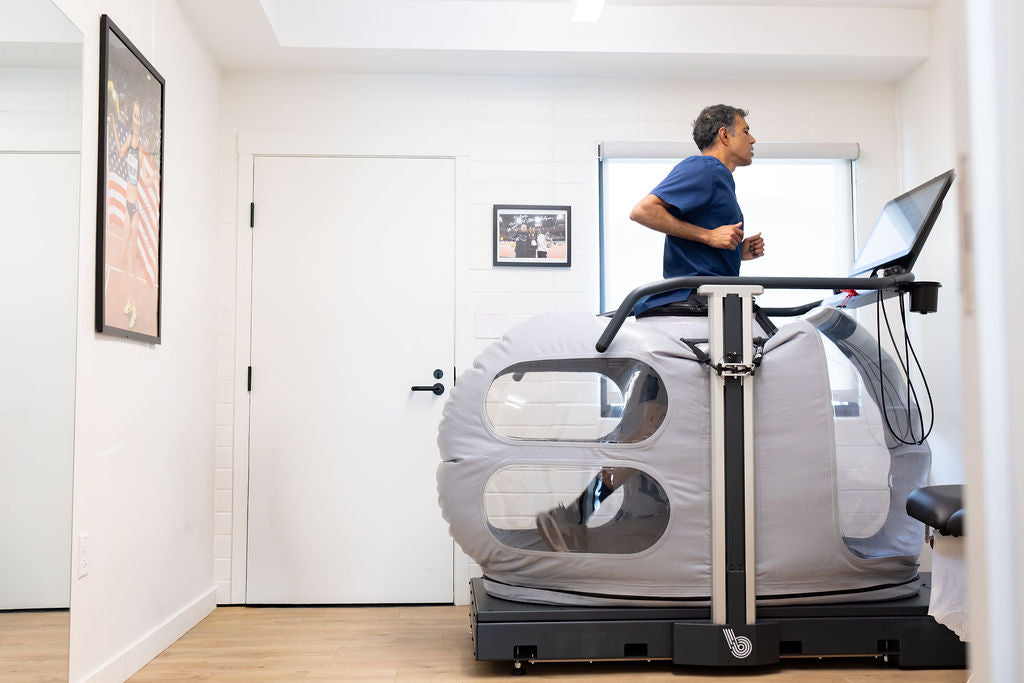
During her rehabilitation at Neuroworx, Heidi worked with physical therapist Emma Buckley to progressively rebuild her strength and mobility. When the Boost Treadmill was introduced, it gave her an opportunity to practice running and higher-intensity movement in a safe, controlled environment. For Heidi, the experience was about more than physical training—it was about feeling independent again.
"I always asked them, 'Can I get in the Boost?' because of the way it made me feel."
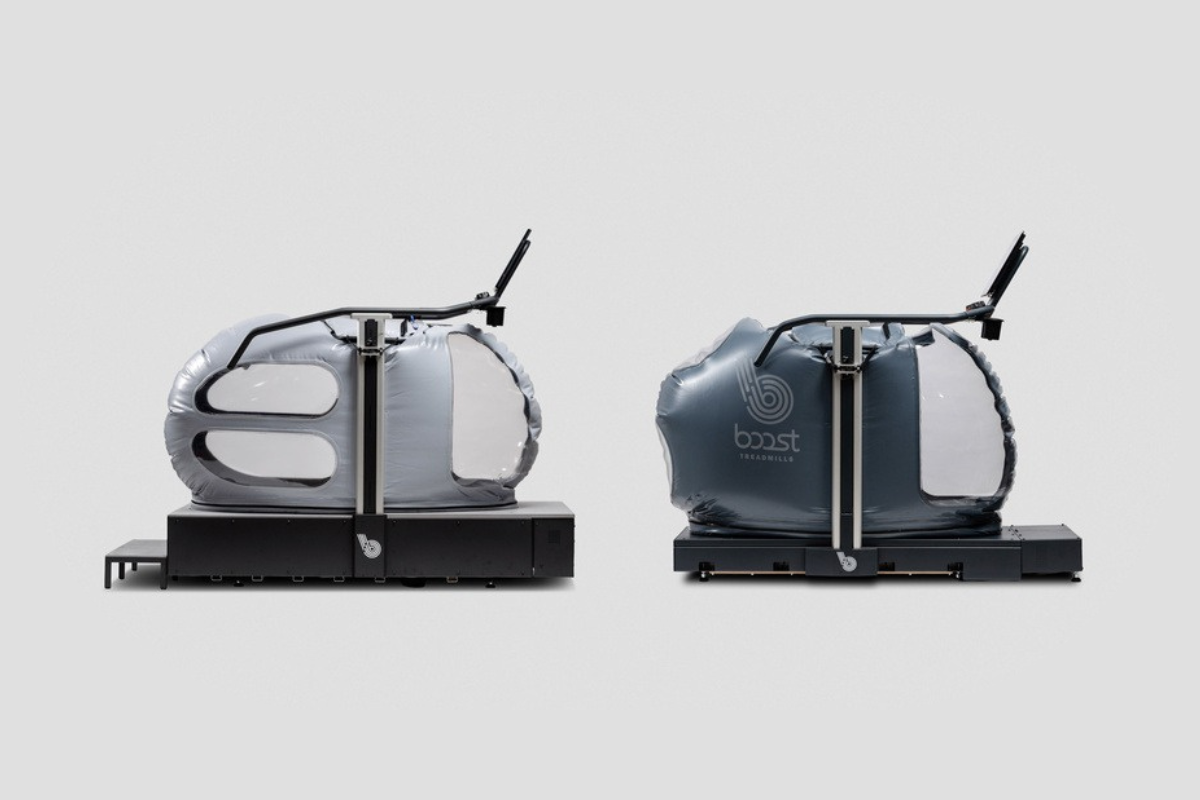
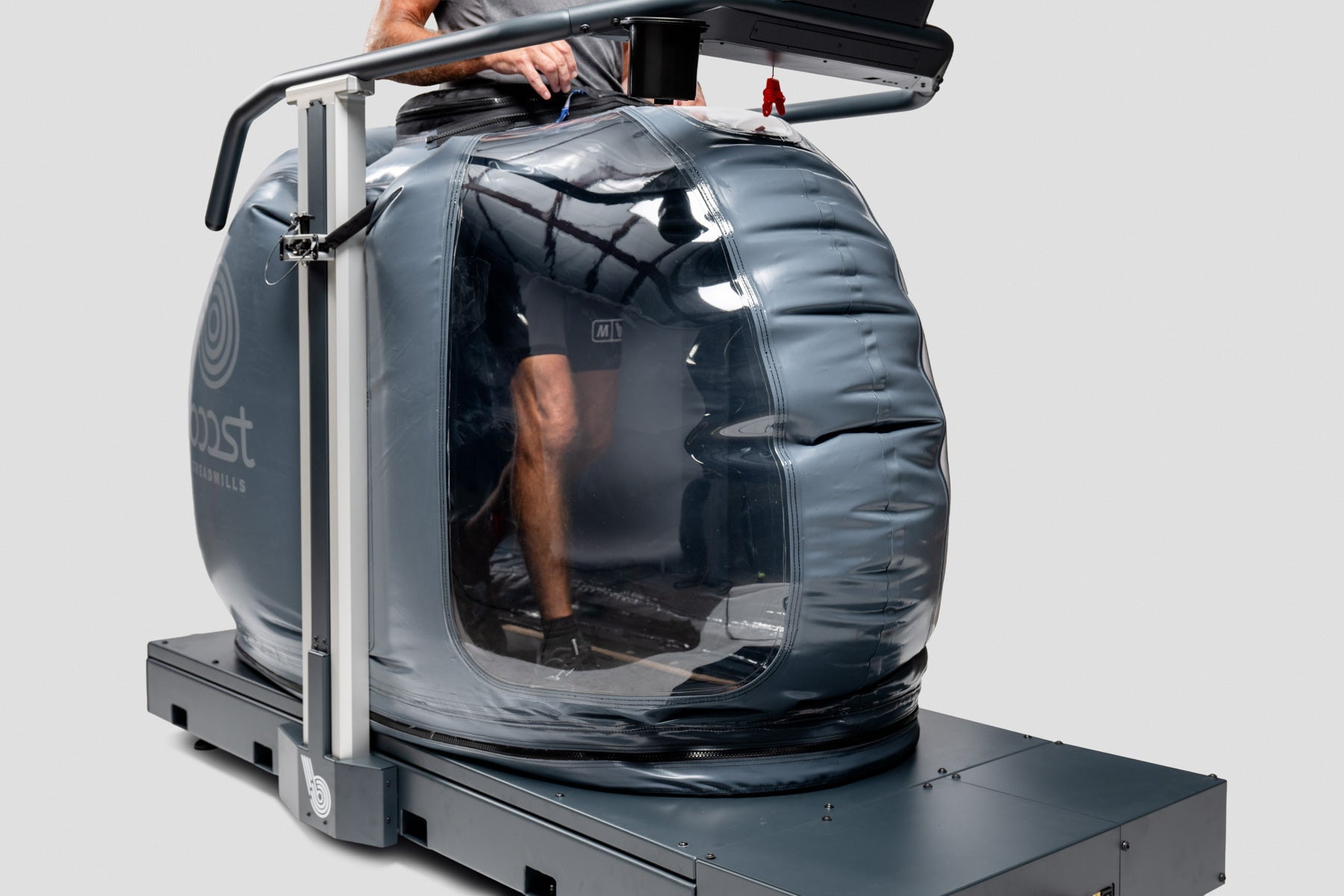
The reduced body-weight environment allowed Heidi to challenge herself, improve her cardiovascular capacity, and experience movements she wasn't yet able to perform independently overground.
According to Emma, Boost also helped Heidi recognize that her body was capable of more than she initially believed.
"It creates a sense of confidence of realizing that her body does have the capacity to do more than she thought that it could."
The Results: Returning to the Activities She Loves
After training on the Boost Treadmill, Heidi began noticing improvements quickly. Movements that once felt impossible became achievable, giving her the confidence to challenge herself outside of therapy.
Today, Heidi is walking, attending her children's soccer activities, playing pickleball, hiking, and running with her kids.
"I would never have dared run down my hallway by myself. And then after I ran in the Boost a few times, it gave me that excitement wanting to run and try to run and race my kids."
For Heidi, one of the biggest outcomes has been learning to trust her body again.
"One thing the Boost gave me was the confidence that I could run around with my kids and keep up with them because it got my body moving the way it was supposed to."
A Tool for Long-Term Progress
For individuals recovering from neurological injuries, finding ways to safely reach higher levels of exercise intensity can be challenging. The Boost Treadmill technology provides an opportunity to practice more demanding movements while reducing the physical barriers that may limit traditional movement.
For Heidi, that opportunity helped transform rehabilitation into a pathway toward greater independence, confidence, and participation in everyday life.

Finding Confidence Through Movement: Will's Story
Still Moving Forward: Doug's Journey to Walk Again