

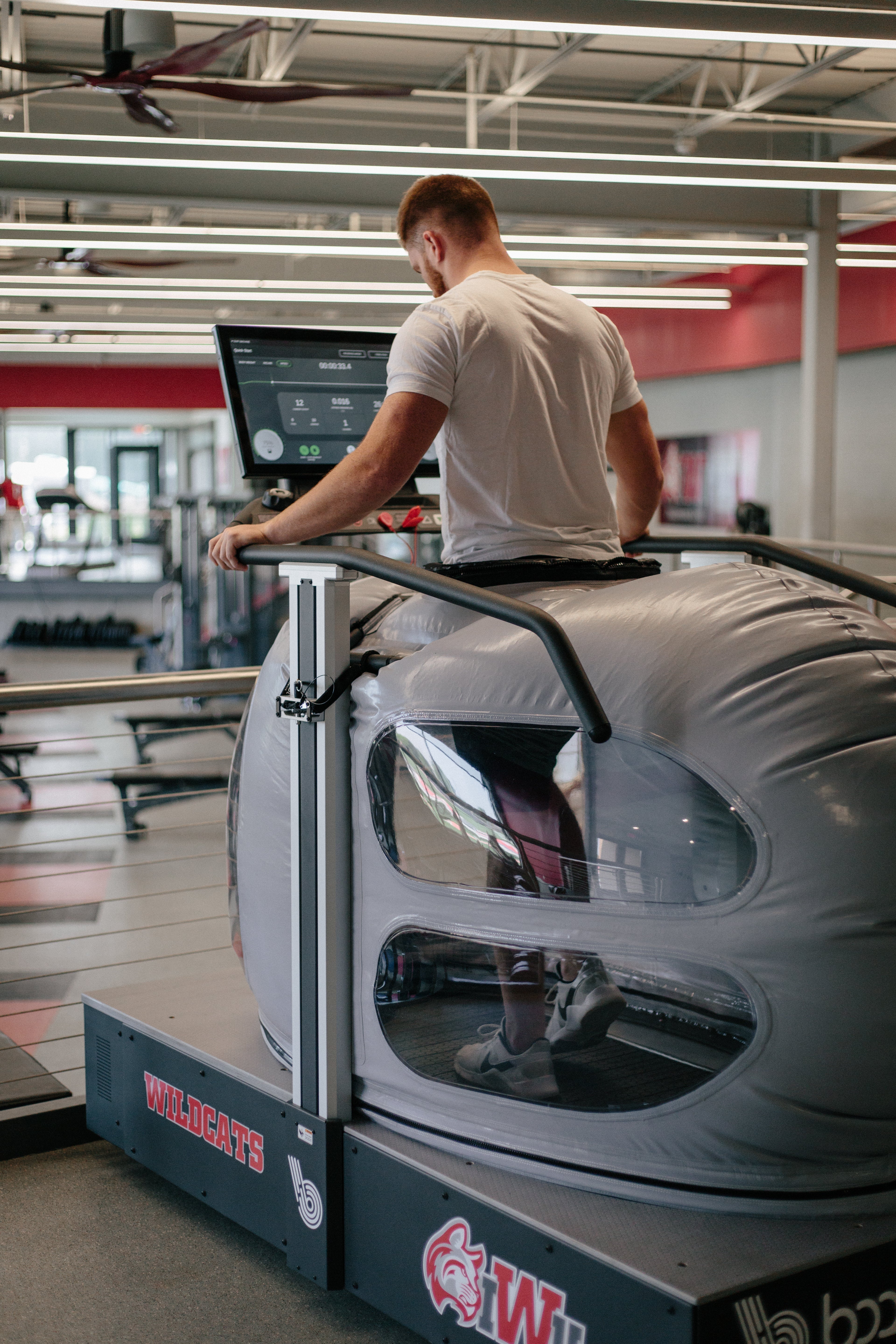

Twenty years ago, yelling “Run fast and turn left” was the norm for coaching as was aqua jogging, with fingers crossed the athletes knew how to swim. Back then, coaching staffs lugged around VCRs to scout opponents, watch game film and recruit. Practice was planned on a sheet of paper. The weight room staff stuck strictly to lifting and athletic trainers taped ankles, passed out ice and Gatorade. Fast forward to 2020, where exit velocity, load management, and 3D mapping capabilities for helmet fittings are just part of cutting edge metrics provided by modern technology. Wearables also afford real-time data collection on sleep patterns and optimum practice times based on biological clocks, fatigue, and stress cycles. In the athletics world, the air-pressure Boost Treadmills are now classified as a fundamental need for sports performance – not just a luxury item for elite programs. Built on a Woodway 4 Front platform, Boost’s modern technology is used daily by every professional league, and at all levels of intercollegiate athletics.
Quantified Rehab
“When we built our new facility for football, we looked at the Boost Treadmill as an essential tool for our program,” said Justin Smith, Head Football Athletic Trainer at NC State University. “Boost’s cutting edge technology allows our trainers the option to have someone run essentially weightless and be able to do a stepwise progression down fora post-surgical ankle or knee. The treadmills also give us a quantified way of doing things versus making sure they are completely healed before we put them out running on the ground.” Smith, who studied at Alabama, said NC State’s medical team of doctors feel more comfortable when using the Boost Treadmill as part of the recovery plan. “We’re able to push things a little bit. Bringing someone back quicker, using safe and smart technology like the Boost Treadmill, is key,” Smith added. Boost technology allows for longer, safer, and more sustained lower body movement, providing a multifaceted tool that aids in almost every component of training. Tallying six consecutive NCAA Tournament appearances, the Arizona State University women’s basketball program was the first women’s team in the country to purchase a Boost Treadmill. “The Boost allows us to modify the training in several individuals with lower extremity injuries, allowing them to train hard and increase their fitness without loading their joints,” said ASU Associate Head Athletic Trainer Diana Padilla. Danny Poole, Clemson University’s Director of Sports Medicine, echoes Padilla’s sentiments. “Being able to de-load our athletes and continue to train their cardiovascular system during the rehab process has allowed us to return athletes to sport ready to play,” said Poole.
Everyday Training Tool
While many use it to treat post-surgical or injured athletes, just as many programs are also using the Boost Treadmill as part of their weekly training routine. With top 20 cross country programs, the University of Washington likes the ingenious technology Boost provides the Huskies program. “We use our Boost as part of our weekly training runs,” said Andy Powell, the Huskies head track and field and cross country coach. “It’s a good, secure way for us to train. It helps keep us fit and healthy. By staying injury-free, we save money on MRIs and physical therapy for our athletes as well.” Huntington University installed two Boost Treadmills this past summer so it could increase the training load for multiple athletes. “We utilize the Boost technology so our athletes can perform their recovery sessions on the treadmill to speed up recovery while still providing an aerobic benefit,” said Huntington head cross country coach Nick Johnson. “This type of treadmill, with its technology base, is extremely important in our quest for optimal performance.”
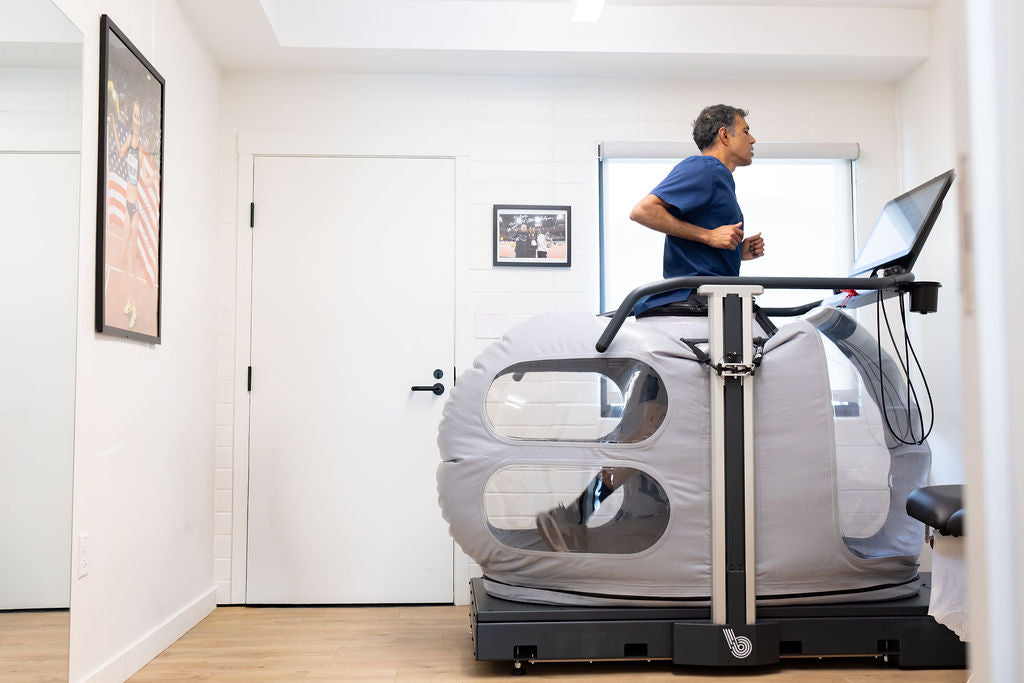
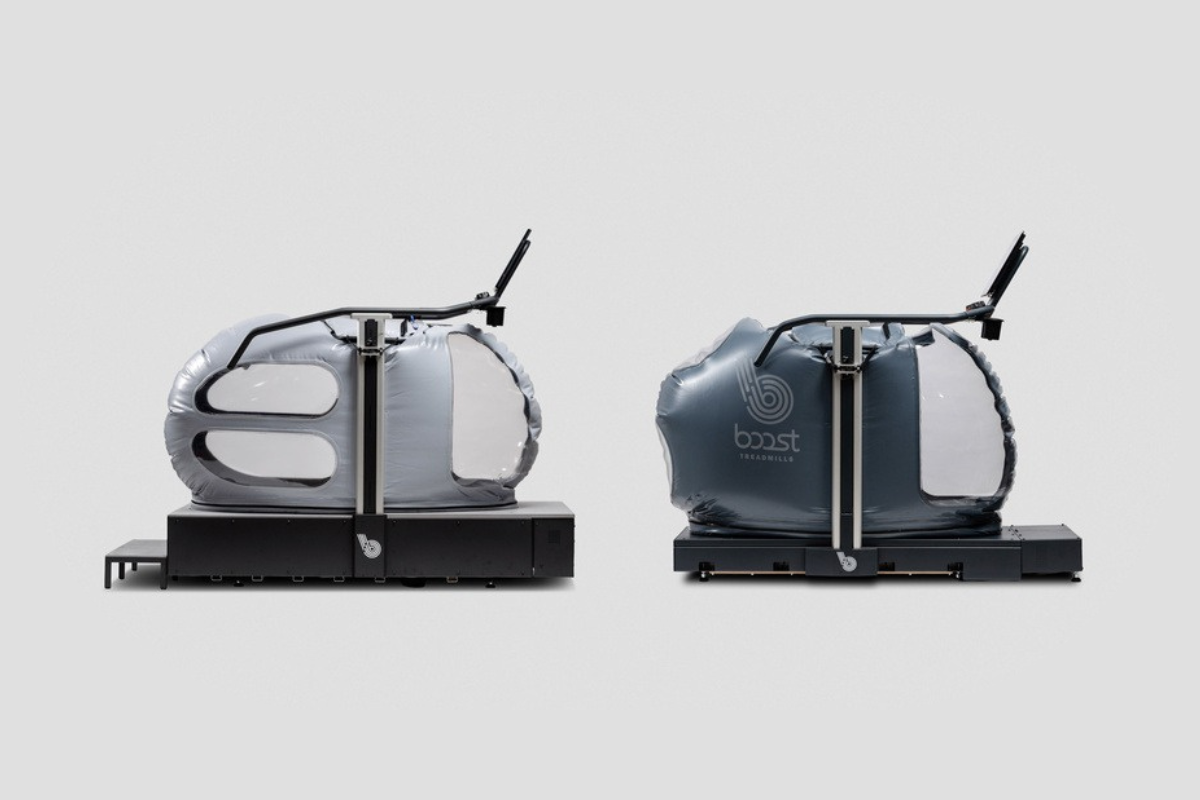
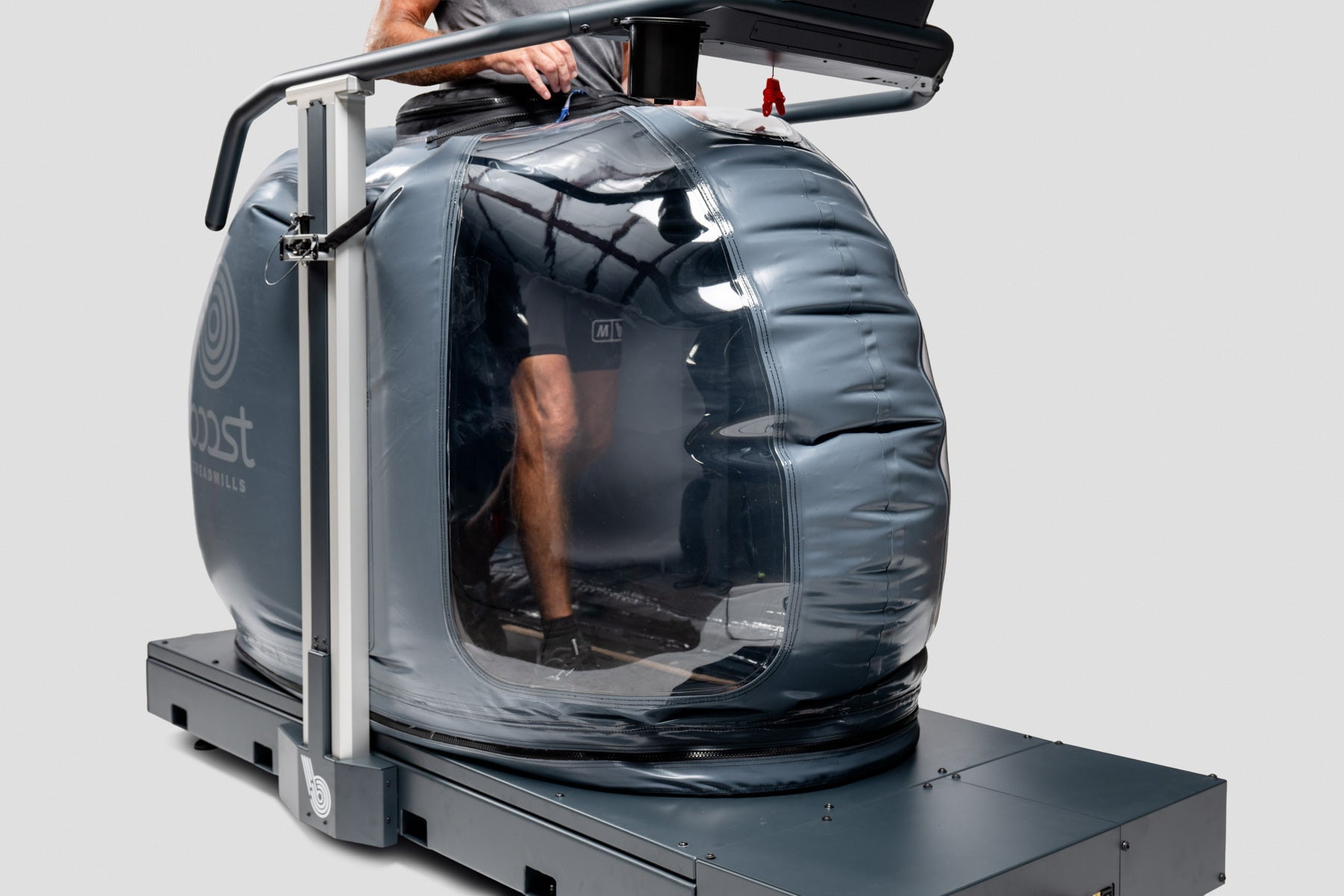

Featured Facility - Build Physio & Performance